Established in 2009, Conservation International Timor-Leste was the first international NGO dedicated exclusively to conservation and biodiversity protection to support human wellbeing in Timor-Leste.
We use science, policy, and partnerships to conserve critical ecosystems that provide food and water, support economies, and regulate the climate.
Since 2009, we have worked in long-term partnership with government, communities, and regional partners to support national priorities, strengthen institutions, and connect local action with broader conservation efforts that benefit people and nature.
Local leadership is central to our approach. We partner with communities to strengthen governance, support sustainable livelihoods, and ensure conservation delivers tangible benefits. By aligning local priorities with national strategies, we help scale solutions that are inclusive, durable, and locally owned.
We bring
- Over 15 years of experience working from community to national and regional levels
- Technical expertise in establishing and managing protected areas, including community-based marine protected areas
- An integrated approach that brings together science, policy, and local knowledge
- Solutions that link conservation with sustainable economic opportunities and climate resilience
- Support for long-term financing mechanism and institutional strengthening
400+
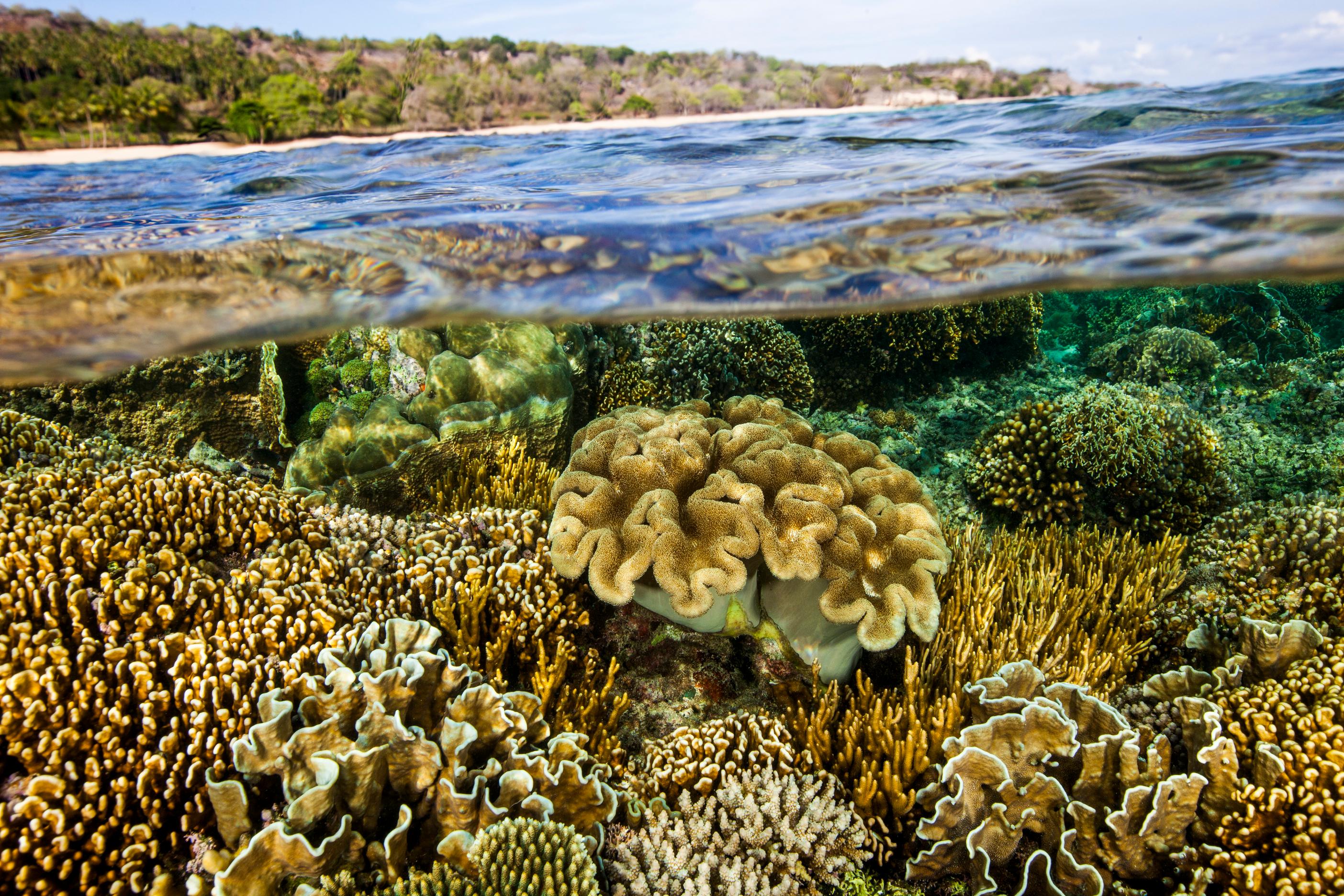
coral species documented
2,280+
whales and dolphins recorded
12
community-managed marine areas supported
195K
hectares of watershed protected
What we do
Across the country, we are building a future where healthy ecosystems sustain livelihoods, strengthen resilience, and promote cooperation — ensuring conservation benefits people and nature for generations to come. All of our work centers around biodiversity protection, climate resilience and community livelihoods.
Our programs & solutions
National: Nature, Livelihoods & Systems Transformation
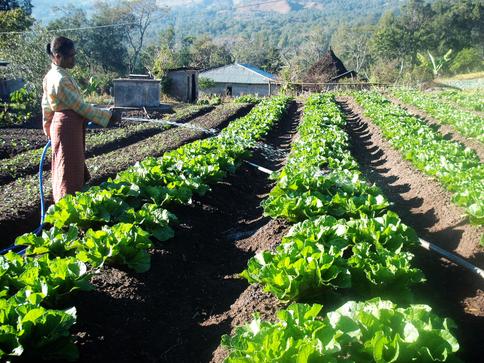
Lasting conservation depends on strong national systems — from effective governance and resilient markets to sustainable livelihoods and education. Conservation International strengthens the enabling environment that allows conservation to succeed at scale.
Northern: Marine Conservation & Blue Economy
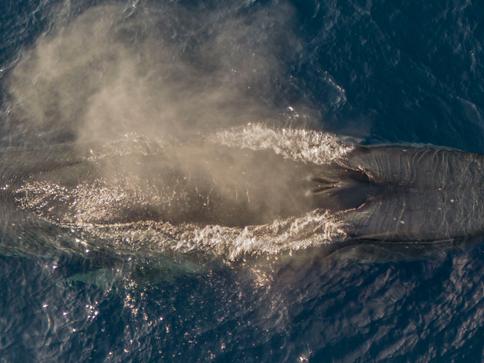
Along Timor-Leste’s northern coastline, we work to safeguard some of the country’s most vital marine ecosystems. From supporting the design and management of marine protected areas to supporting community stewardship and advancing regional cooperation, this program aims to protect migratory species, including pygmy blue whales, strengthens sustainable blue economy opportunities, and promotes collaboration across shared seas.
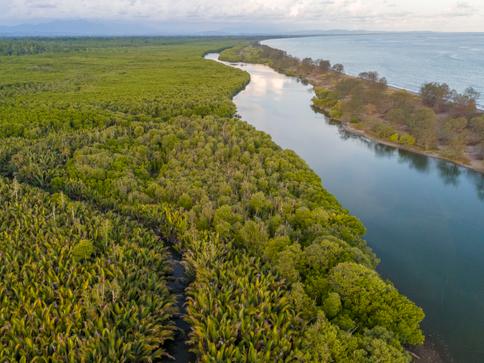
Southern: Wetlands, Coexistence & Nature-Based Carbon
In the south, our work centers on protecting wetlands that sustain biodiversity, livelihoods, and climate resilience. We support improved wetland management, promote safe human–crocodile coexistence, and advance nature-based carbon opportunities that benefit communities while safeguarding ecosystems.
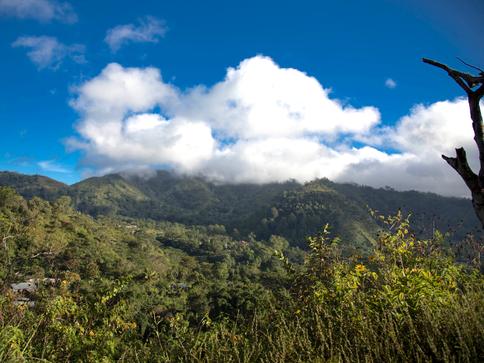
Western: Shared Forests & Water for Life
Along the western border with Indonesia, we protect forested watersheds that are critical for water security, agriculture, and biodiversity. Working with partners on both sides of the border, this program strengthens ecosystem protection and cross-border cooperation to ensure healthy forests and reliable freshwater for communities.
Our pillars
Protected area strengthening and expansion
We are focused on improving the effectiveness connectivity and scale of protected areas across the country. We are supporting the government’s efforts to reduce habitat fragmentation, expand priority conservation areas, and enhance management systems through planning, zoning, signage, and community engagement.
Community-based and conservation livelihoods
Having consensus among communities is essential for conservation plans to succeed. This is why Conservation International works to promote co-management between the government and communities. We aim to diversify livelihoods, improve community stewardship, education, and provide support for local conservation groups, with a particular focus on women and youth.
Sustainable agriculture and high value crop development
We’re focused on expanding and improving the sustainable management of coffee plantations while diversifying crops to include high value crops like vanilla and other specialty products. We are also strengthening market linkages to increase household incomes while reducing the pressure on natural ecosystems.
Sustainable firewood and forest resource management
Timor-Leste is heavily reliant on firewood and needs to develop organised legal and sustainable firewood value chains to reduce impacts on forests. We are working with communities to create community firewood markets while replanting suitable species and improving governance and revenue generation for villages and the state.