Active
Where we work: Northern coastline of Timor-Leste
Focus: Marine protected areas • Sustainable blue economy • Migratory species • Regional cooperation
Timor-Leste’s northern seas lie within the Coral Triangle and are among the most biologically rich waters in the world. These waters sustain coastal communities, support fisheries, and connect the country to regional ocean systems.
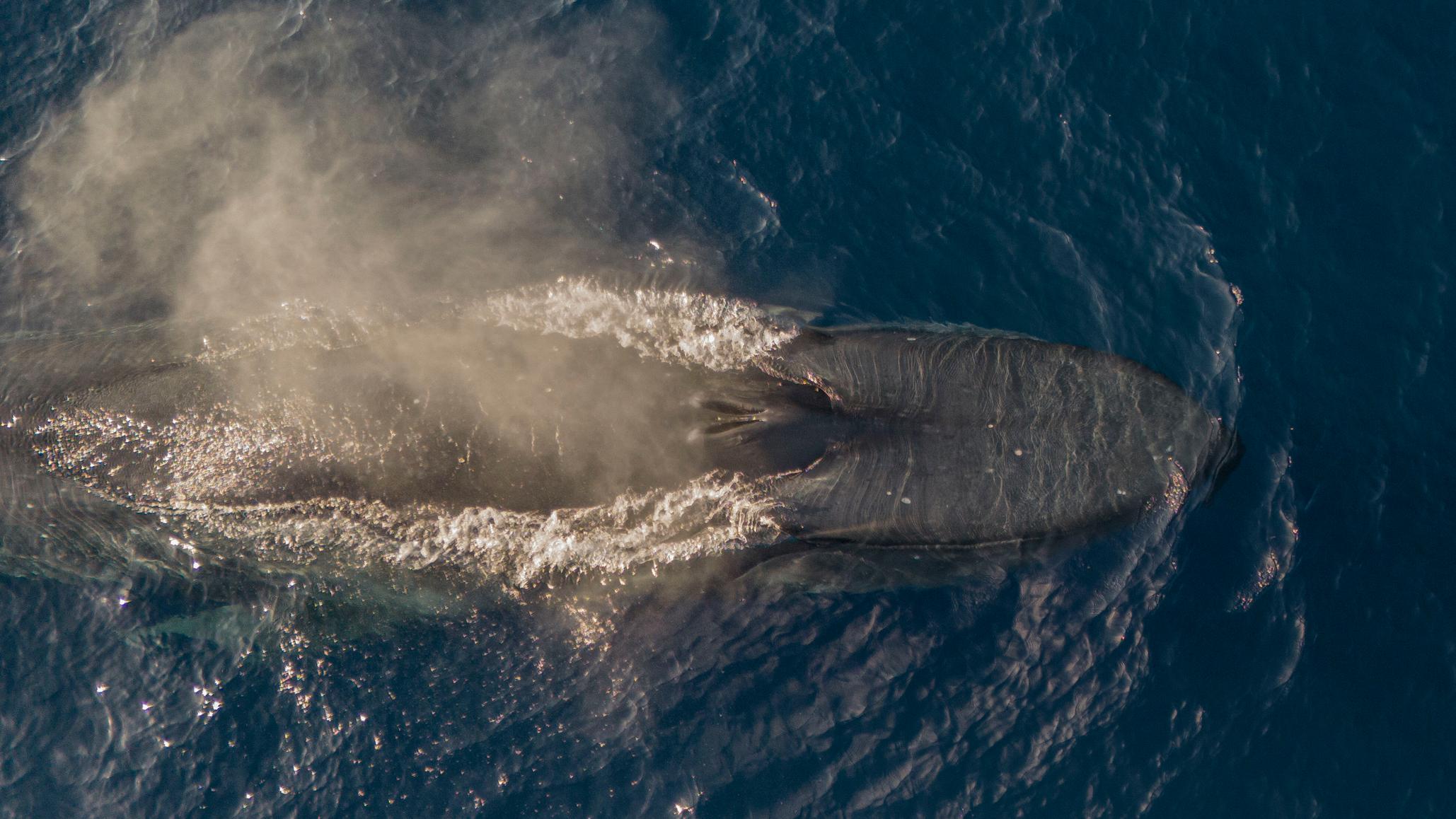
In fact, biological surveys led by Conservation International have found Timor-Leste to possess some of the most biodiverse waters in the world. One rapid cetacean survey sighted more than 2,280 whales and dolphins — including superpods of up to 600 individuals — from 11 different species in just five days. And our research on Atauro Island recorded over 400 reef-building coral species, comparable to that of Australia’s Great Barrier Reef.
Twenty-five species of whales and dolphins including pygmy blue whales frequent these waters — one of the highest cetaceans diversities recorded in the world.
This rich stretch of ocean underpins the food security and well-being of more than 1.2 million people. Managed well, whale, dolphin and other ecotourism could also generate significant income for Timor-Leste.
The marine life here, however, still faces threats of illegal fishing and resource extraction projects. There is still much to be done to strengthen legislation to protect marine biodiversity.
We work with government and communities to design and strengthen marine protected areas, improve ocean governance, and promote sustainable blue economy opportunities. By supporting community stewardship and advancing cross-border collaboration, we help protect migratory species and ensure healthy seas for future generations. We also carry out extensive marine research so we can understand the biodiversity and form suitable management plans.
Our vision: Thriving northern seas that sustain biodiversity, food security, and a resilient blue economy for generations
Atauro Island
Atauro Island, located just north of the mainland, is home to approximately 10,000 people, most of whom rely on artisanal fishing and subsistence farming. Biodiversity surveys have documented the highest average number of reef fish, whales, dolphins, and reef-building corals, making it an ideal site for sustainable tourism.
Since 2015, Conservation International has worked with the communities in Atauro to implement traditional law and create a system of community-managed marine protected areas. Over the years, communities have witnessed the return of previously depleted fish species to a more plentiful catch. They have come to realise the role of natural wealth as a key part of a sustainable development and eco-tourism plan.
In 2019, the island’s 12 protected areas were united through the creation of a marine protected area network, the nation’s first. With the support of the community and the government, Conservation International is now making plans for Atauro Island and its waters to become a National Park.