August 31, 2026
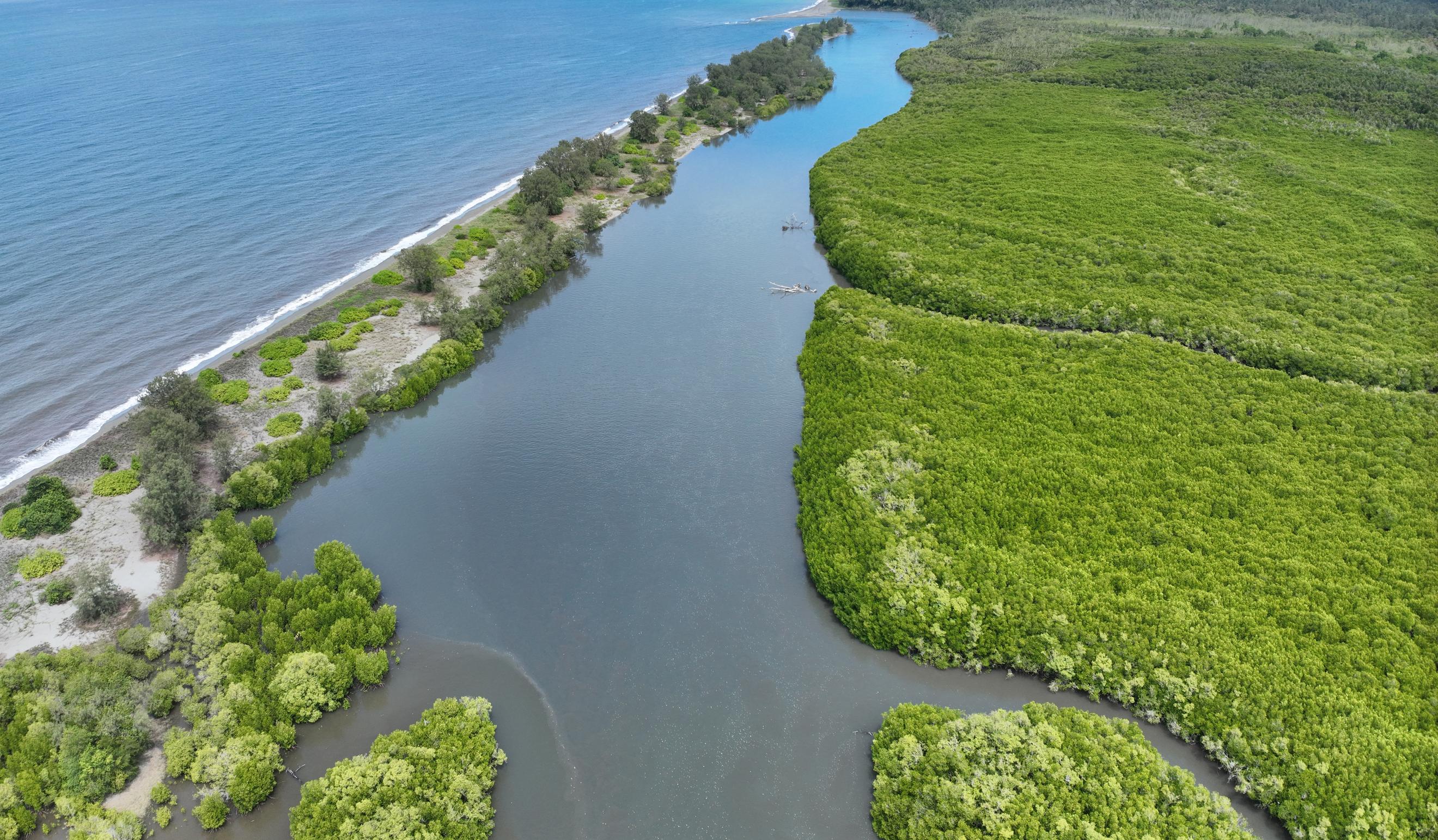
Na’an Kurun Lagoon is in Uma Boco, Sikone Dilole, and Aubeo Villages, Barique Administrative Post, Manatuto Municipality. It is an important wetland ecosystem that supports biodiversity and provides habitat for a wide range of species. The lagoon covers an area of approximately 34.4 hectares.
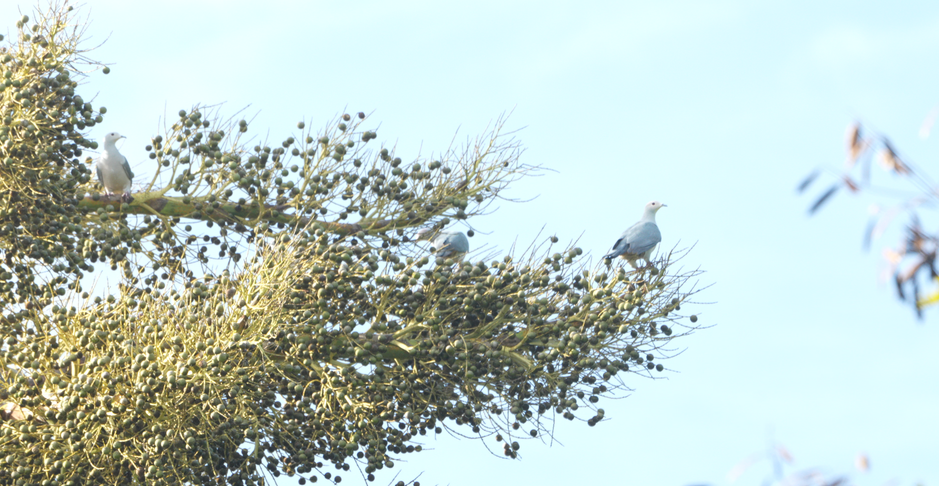
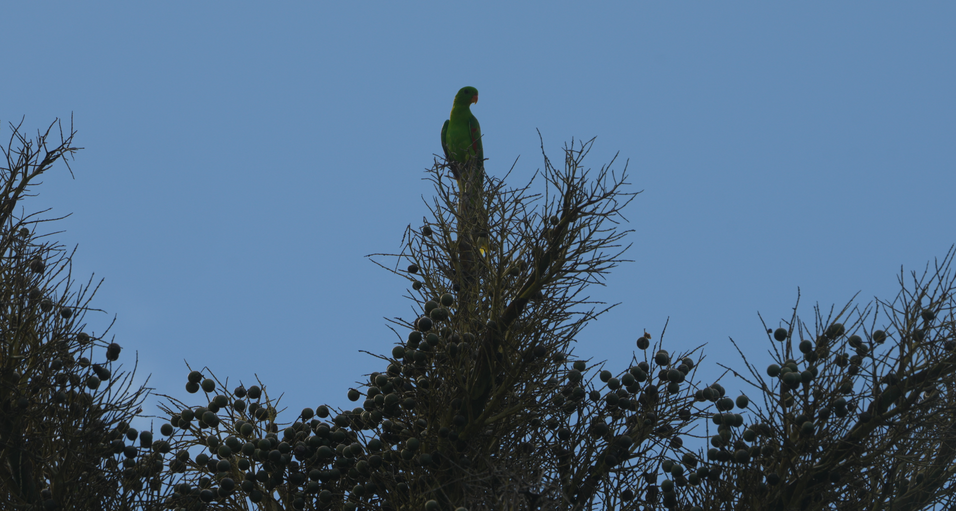
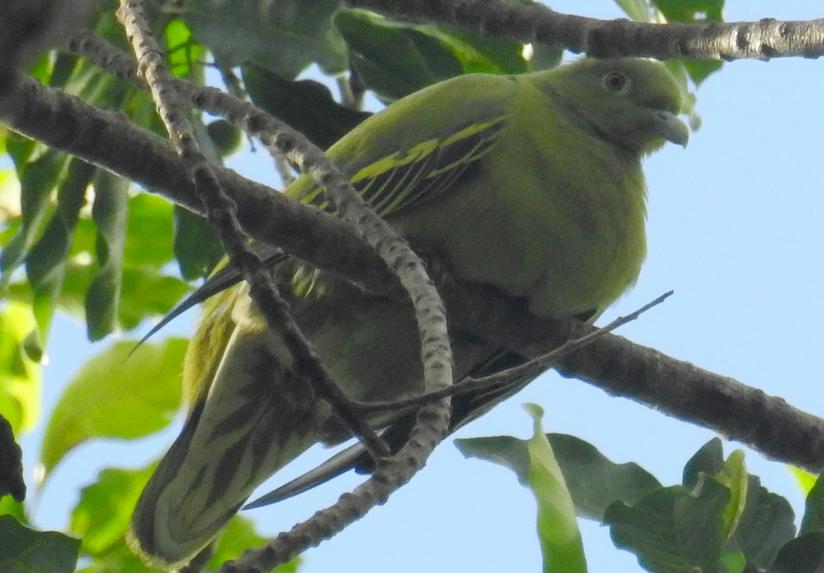
Based on the results of rapid assessments and monitoring data, Na’an Kurun is home to a variety of species, including the Bath,, Cockatoo, waterbirds, fish, reptiles such as Crocodile, and various aquatic and terrestrial plants. Most of the area is dominated by mangrove. These species play important roles in maintaining ecosystem services. The lagoon provides important habitat for biodiversity and has the potential to support local livelihoods through community-based tourism, including ecotourism, recreational activities, and birdwatching.
Conservation International Timor-Leste’s Intervention in Na’an Kurun
Conservation International Timor-Leste (CI-TL) plays an important role in biodiversity conservation and wetland management in Timor-Leste. Through the GEF-8 project, “Improving Wetland Management for Biodiversity and Improved Human-Wildlife Coexistence in Timor-Leste,” CI-TL supports efforts to improve wetland management, conserve biodiversity, and promote safe and sustainable coexistence between communities and wildlife.
Na’an Kurun is one of seven priority lagoons (wetlands) identified for intervention by CI-TL in collaboration with the Ministry of Agriculture, Livestock, Fisheries and Forestry (MALFF) and the Ministry of Tourism and Environment (MTE). CI-TL has already conducted a rapid biodiversity assessment and will continue biodiversity assessments and monitoring in September. These activities will document ecosystem conditions and support environmental awareness and biodiversity education, targeting not only local communities but also students.
This approach is important to ensure that decisions related to development and conservation are based on evidence while considering the needs and interests of local communities.
Through the project, CI-TL works closely with MALFF, MTE, the Civil Protection Authority (APC), Municipal Authorities, Administrative Post Authorities, community leaders, relevant stakeholders, and local communities to promote ecosystem restoration, climate resilience, biodiversity conservation, and sustainable livelihoods.
The project places strong emphasis on nature-based solutions and community participation in ecosystem management.
Infrastructure Development and the Future of LNG in Natarbora.
With infrastructure development planned for Natarbora, including the construction of roads and a port in the Na’an Kurun area, as well as potential future government plans for Liquefied Natural Gas (LNG) development, it is important to carefully consider the potential impacts on the environment and biodiversity.
Infrastructure development can bring significant benefits to communities, including improved access, transportation, economic opportunities, and local development. However, because Na’an Kurun contains important ecosystems and biodiversity, construction and development activities must be carefully planned to avoid or minimize negative impacts on the lagoon, natural habitats, and wildlife.
In this context, biodiversity monitoring results and environmental assessments should be incorporated into the planning process to ensure that infrastructure development can proceed alongside conservation efforts.
Conservation Challenges and Solutions
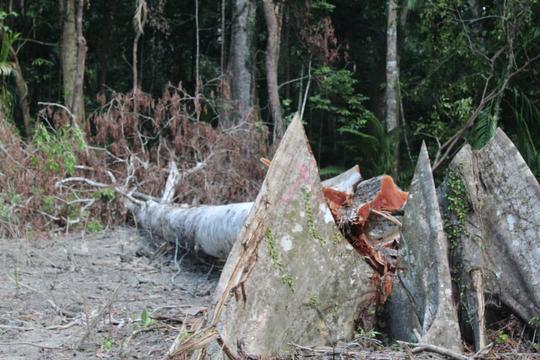
The construction of roads and ports, as well as potential future LNG development, could present significant challenges to conservation efforts because these activities may affect the lagoon ecosystem, natural habitats, and biodiversity. The movement of construction equipment and materials, sedimentation, pollution, and changes to natural areas could affect environmental conditions in Na’an Kurun Lagoon.
According to the Field Coordinator of the lagoon Management Project in Manatuto and Manufahi, Maria Lucia explained “ based on observations from technical personnel at the site indicate that when trees are cleared during road construction preparation, wildlife may become disturbed and leave their natural habitats for other areas.” This is a conservation concern because the displacement of wildlife from its original habitat may increase pressure on nearby areas and affect natural wildlife movement patterns.
Project Field Assistant Diego Lopes also reported:
“During nearly two hours of observation in the construction area, I did not see any birds calling or flying around the area. The birds had almost completely moved to a more distant location because their habitat had been disturbed and destroyed by the road construction process.”
Therefore, construction activities should be carried out with careful planning and appropriate environmental safeguards. This should include minimizing unnecessary vegetation clearing, protecting sensitive habitats, and monitoring wildlife movement before and during construction activities.
The Administrator of Barique Administrative Post, Mr. Jose Ramos, stated:
“The authorities at the Administrative Post are subject to decisions made at the national level, particularly regarding development along the southern coast. However, we continue to encourage communities not to hunt wildlife such as civet, deer, and wild pigeons.
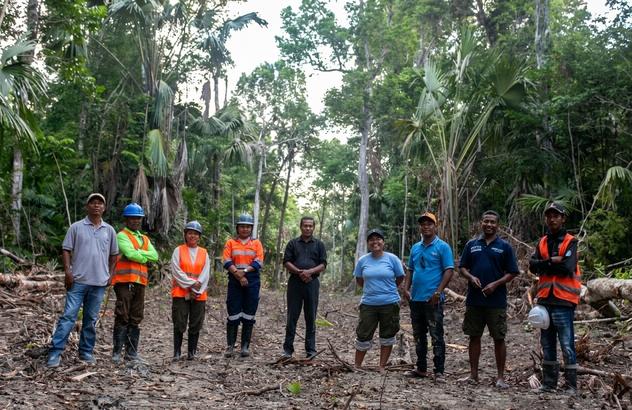
For Conservation International Timor-Leste (CI-TL), the key challenge is to ensure that infrastructure development and environmental conservation can progress together. This requires strong coordination among CI-TL, government authorities, construction companies, local communities, and other relevant partners.
Potential solutions include environmental monitoring before, during, and after construction; identifying and protecting sensitive areas; controlling sedimentation and pollution; minimizing tree cutting and vegetation clearing; and involving local communities in conservation activities. Environmental education and awareness are also important to strengthen understanding among communities and workers about the ecological value of Na’an Kurun.
With good planning, continuous monitoring, and collaboration among the government, CI-TL, communities, and relevant partners, infrastructure development can be considered alongside conservation efforts. This can help ensure a balance between economic development, biodiversity conservation, ecosystem protection, and sustainable development.
People Need Nature to Thrive
Na’an Kurun Lagoon is more than a wetland ecosystem. It is an important natural asset that supports biodiversity, provides habitat for wildlife, and offers opportunities for sustainable livelihoods and community-based tourism;
As development progresses in Natarbora, protecting the ecological integrity of Na’an Kurun will require continued collaboration, evidence-based planning, environmental monitoring, and meaningful community participation.
Protecting Na’an Kurun today means safeguarding biodiversity, ecosystems, and opportunities for future generations.