October 19, 2026
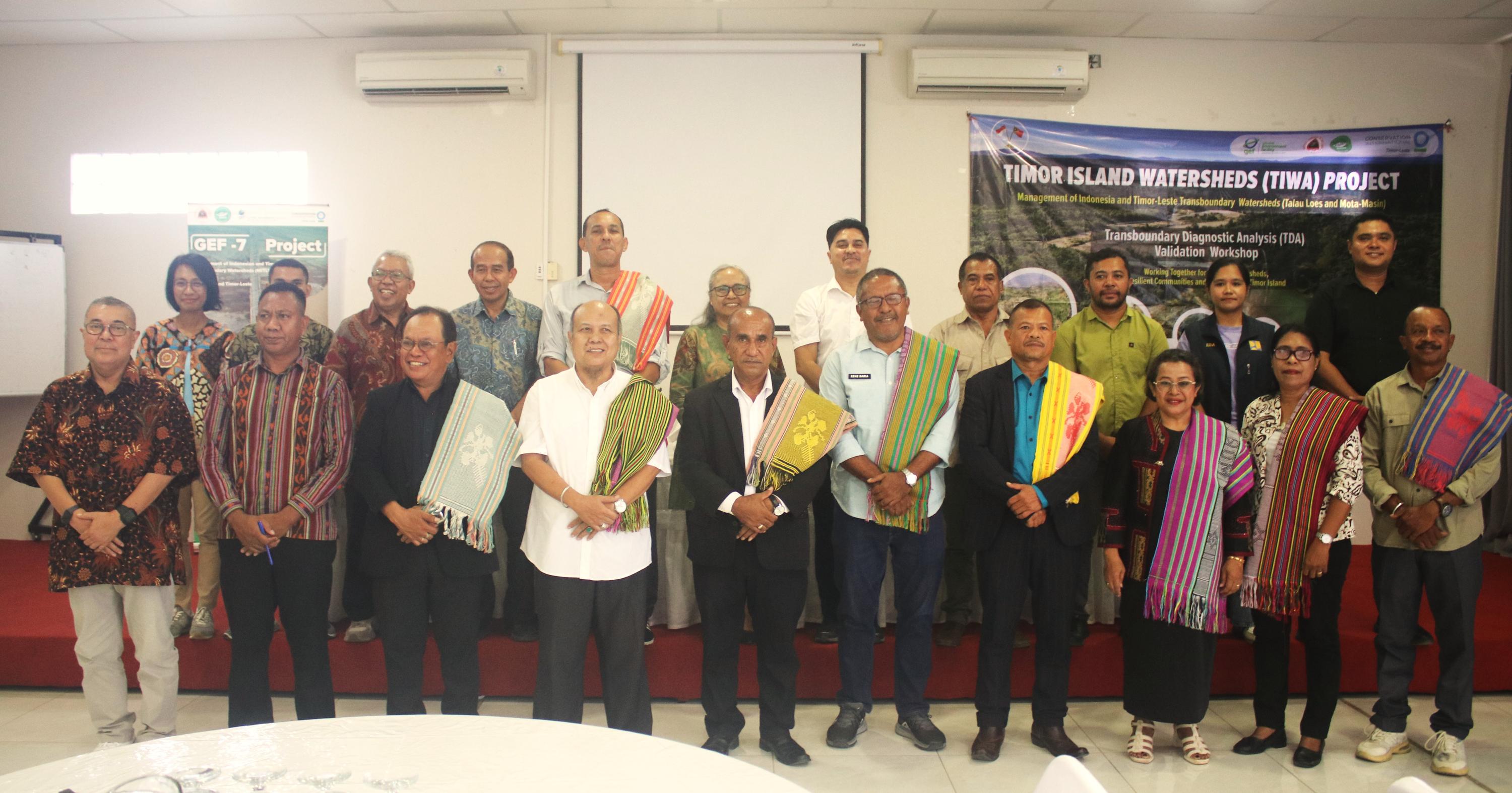
Conservation International Timor-Leste (CI-TL), through the Timor Island Watersheds (TIWA) Project, in collaboration with the Directorate-General of Forestry under the Ministry of Agriculture, Livestock, Fisheries and Forestry (MAPPF), organized a Transboundary Diagnostic Analysis (TDA) Validation Workshop in Atambua, Belu, Indonesia, on 16 October 2026.
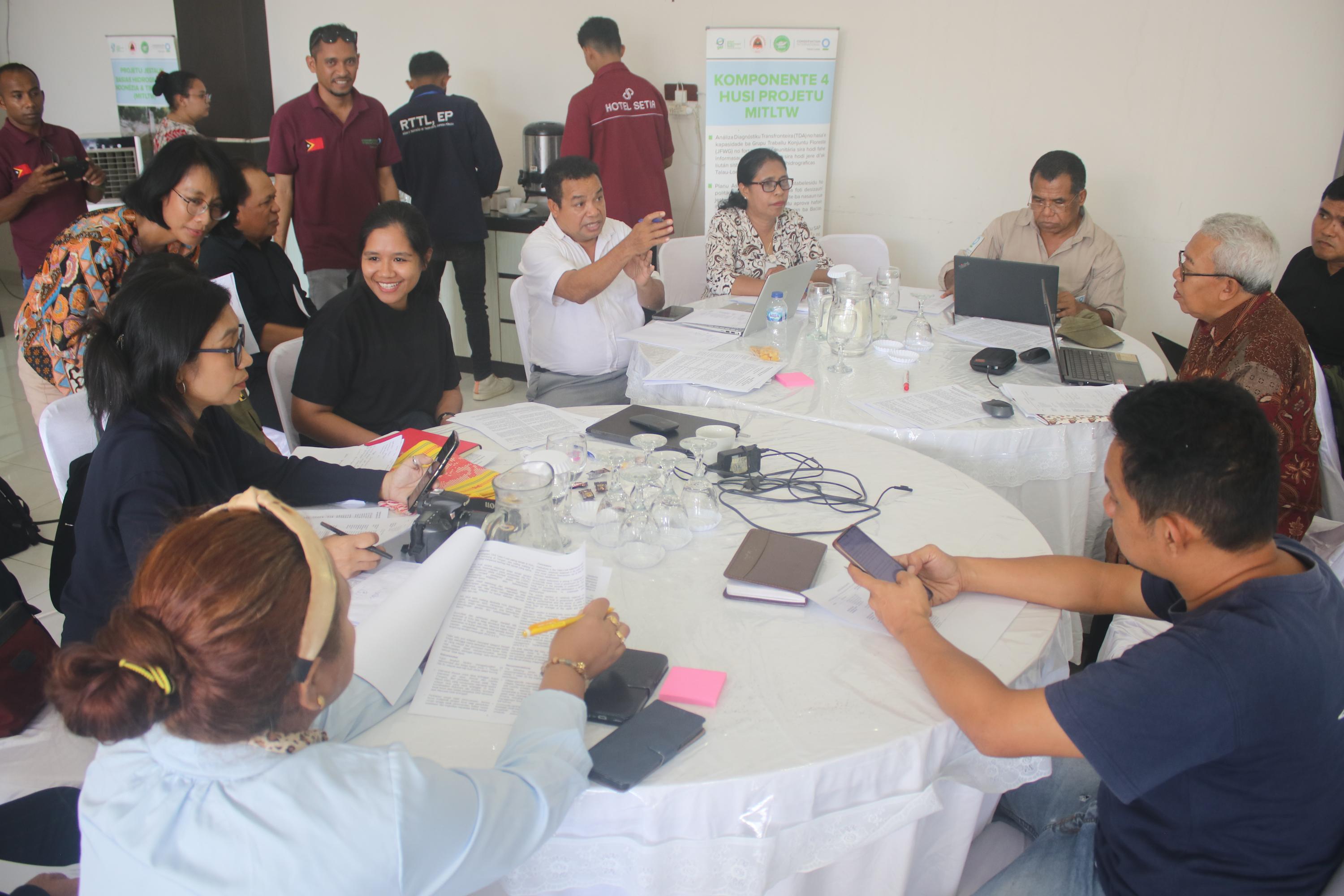
The workshop brought together 54 participants from various relevant institutions in Indonesia and Timor-Leste, including 32 participants from Indonesia (13 women and 19 men) and 22 participants from Timor-Leste.
The main objective of the workshop was to discuss and validate the findings of the analysis of transboundary environmental challenges in the Talau-Loes and Mota Masin watersheds, which are shared by Timor-Leste and Indonesia. The TDA process is essential for identifying key challenges, including water resource management, deforestation, ecosystem degradation, climate change, and their impacts on the livelihoods of communities in border areas.
The workshop also provided an important opportunity for government representatives, local authorities from Indonesia, researchers, technical experts, and partners from both countries to exchange information, share experiences, and strengthen collaboration towards sustainable transboundary watershed management.
The findings and recommendations of the TDA will serve as the foundation for developing a Strategic Action Plan (SAP) to address environmental challenges, promote water security, conserve biodiversity, and sustain the livelihoods of communities in border areas.
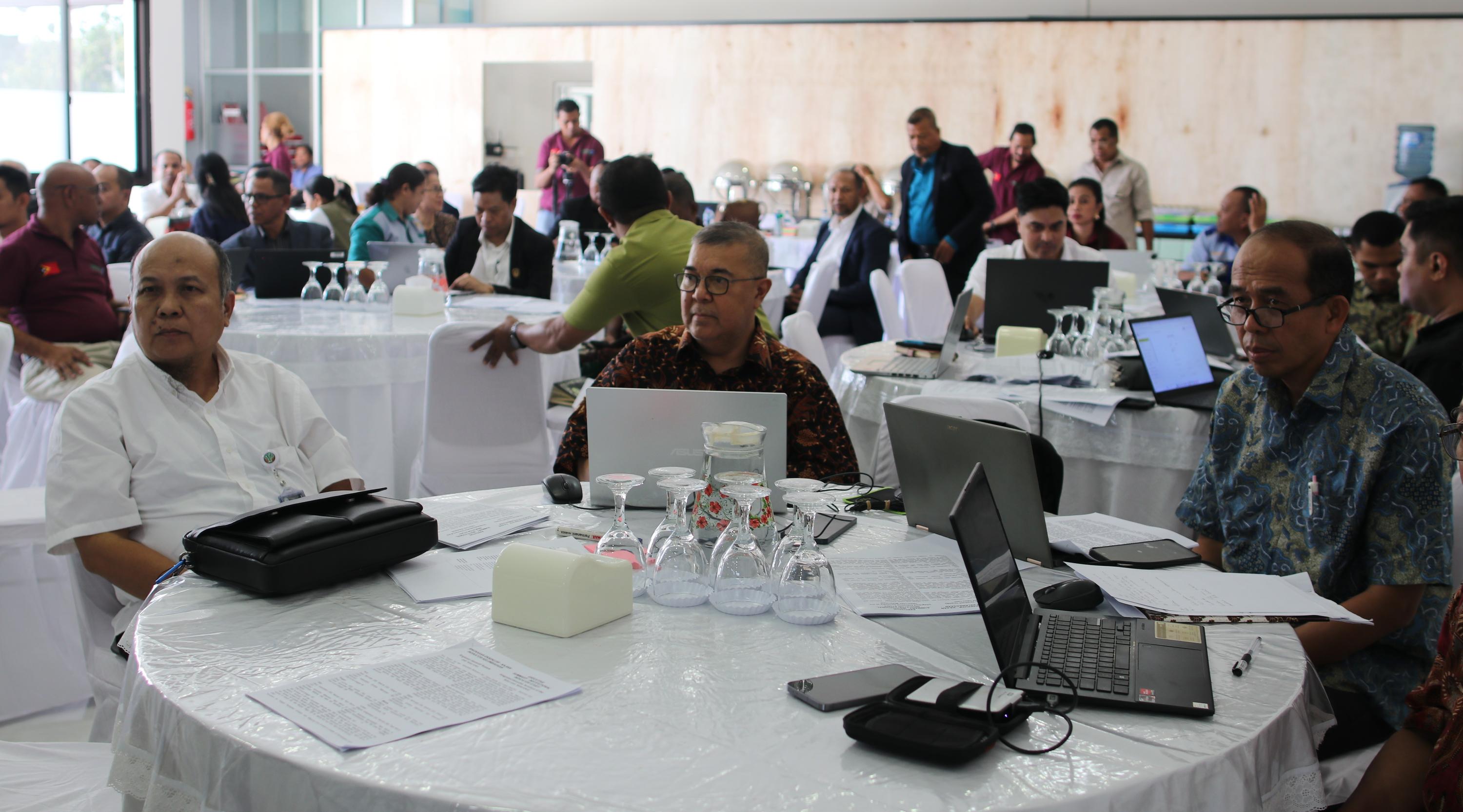
CI-TL Country Director, Manuel Mendes, emphasized that sustainable transboundary watershed management through the TIWA Project requires strong cooperation between Timor-Leste and Indonesia.
“Through the TDA process, we can better understand the challenges we face together and develop evidence-based solutions to protect natural resources and ensure the well-being of communities in both countries.”
He further highlighted the importance of sustaining transboundary watershed management initiatives to ensure the continuity of conservation efforts and cooperation between the two countries, even after the current project ends.
“We also need to consider the sustainability of this transboundary watershed management project so that, when it ends, other joint projects can continue looking after these watersheds.”
Representing the Regent of Belu, Rene Baria emphasized that water and natural ecosystems do not recognize administrative boundaries. Therefore, watershed management must consider the entire ecosystem, rather than focusing solely on river water.
“Whether we like it or not, Timor-Leste and Indonesia, particularly Belu Regency, need to work together. Strong cooperation among governments, communities, and partners from both countries is therefore essential to ensure sustainable water resource management, protect the environment, and support community development for present and future generations.”
Joice Bana, Coordinator of the Centre for Studies on Animals, Culture and Tourism at Nusa Cendana University (UNDANA), described the TDA as an important research process that can benefit governments and communities in both countries, particularly those living in border areas.
She explained that the research focuses on two watersheds, Talau-Loes and Mota Masin, which are ecologically connected across the territories of Indonesia and Timor-Leste. In some cases, a river's headwater may be in one country, while other sections of the river and its drainage area extend into the neighboring country. This situation demonstrates the importance of transboundary cooperation in ensuring the sustainable management of natural resources.
She also expressed her gratitude and appreciation to the Local Government of Belu, East Nusa Tenggara (NTT), the Government of the Democratic Republic of Timor-Leste, the Global Environment Facility (GEF), and CI-TL for supporting and financing the research. She affirmed that this collaboration provides an important foundation for the continued implementation of the TIWA Project and the sustainable management of the Talau-Loes and Mota Masin watersheds.
Director-General of Forestry, Hermenegildo de A. Almeida Granadeiro, stated that the TDA report identified deforestation, degradation of sub-watersheds, declining river flows during the dry season, and sedimentation as major challenges in the study areas. The report also highlighted the need to strengthen institutional coordination, improve data sharing, and develop joint management mechanisms between the two countries.
The TDA findings will serve as the basis for developing the Strategic Action Plan (SAP) for 2027–2030. The programme will promote sustainable transboundary watershed management through agroforestry practices, spring rehabilitation, strengthened implementation of Tara Bandu (customary natural resource management and protection practices), and the development of a joint water resource monitoring system.
“On behalf of the Government of Timor-Leste, I would like to express my gratitude to the GEF, CI-TL, UNDANA, InTI, and all those who have worked hard to support this process.”
Through the TDA process and the development of the SAP, the TIWA Project aims to strengthen cooperation between Timor-Leste and Indonesia to promote integrated transboundary watershed management, protect biodiversity, safeguard water resources, and support the well-being of communities in both countries.