May 29, 2026
DILI, Timor-Leste – Following the mangrove planting activity involving a total of 5,000 seedlings in Batugade, Bobonaro Municipality on 24 April 2026, Conservation International Timor-Leste (CI-TL), through the Kiwa RESTORE Project, continued its coastal ecosystem restoration initiative yesterday (28/05) in the Biacou area of Aidabaleten, Timor-Leste.
The activity brought together the National Directorate for Watershed Management and Mangrove Areas under the Ministry of Agriculture, Livestock, Fisheries and Forestry, the National Directorate of Biodiversity and Environment, representatives from the French Embassy, municipal authorities, local authorities, community members, youth groups, students and development partners to jointly plant 5,000 mangrove seedlings to restore coastal areas vulnerable to erosion, sea-level rise, and the impacts of climate change.
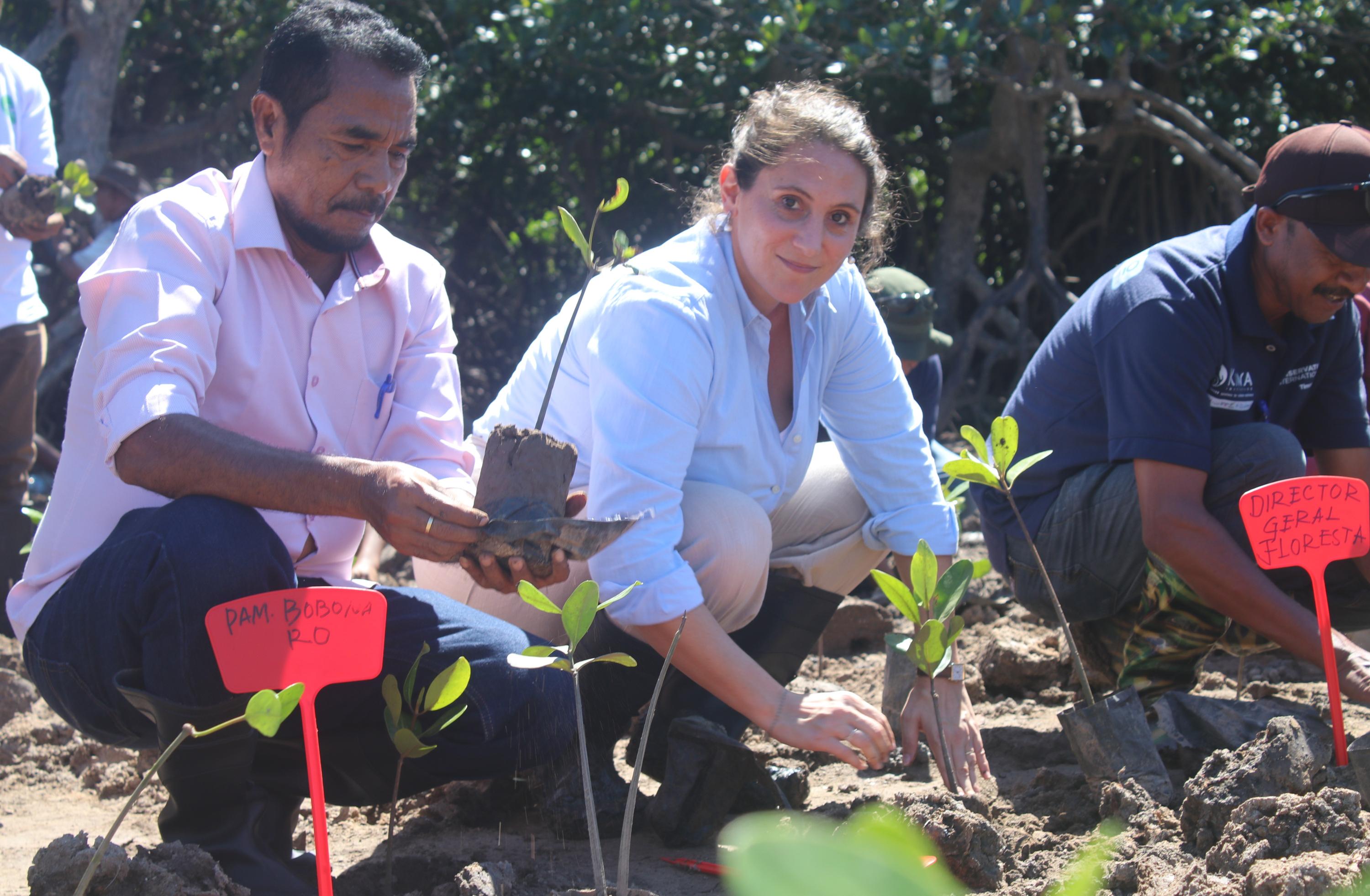
French Embassy Representative Appreciates RESTORE Initiative in Timor-Leste
A representative from the French Embassy, Mrs. Julie Brown, praised the efforts made by CI-TL in implementing the initiative in Timor-Leste.
“I am proud and appreciative of CI-TL for making strong efforts to connect students, communities, partners, and government institutions to work together in carrying out mangrove restoration activities in Aidabaleten. This initiative was initiated by French President Emmanuel Macron,” she said.
The mangrove planting activity in Biacou, Aidababaleten forms an important part of the broader Kiwa RESTORE Project’s efforts to promote Nature-based Solutions (NbS) and strengthen the resilience of coastal communities in Timor-Leste. Mangroves are not only important for protecting coastlines from strong waves and erosion but also serve as critical habitats for fish and marine biodiversity.
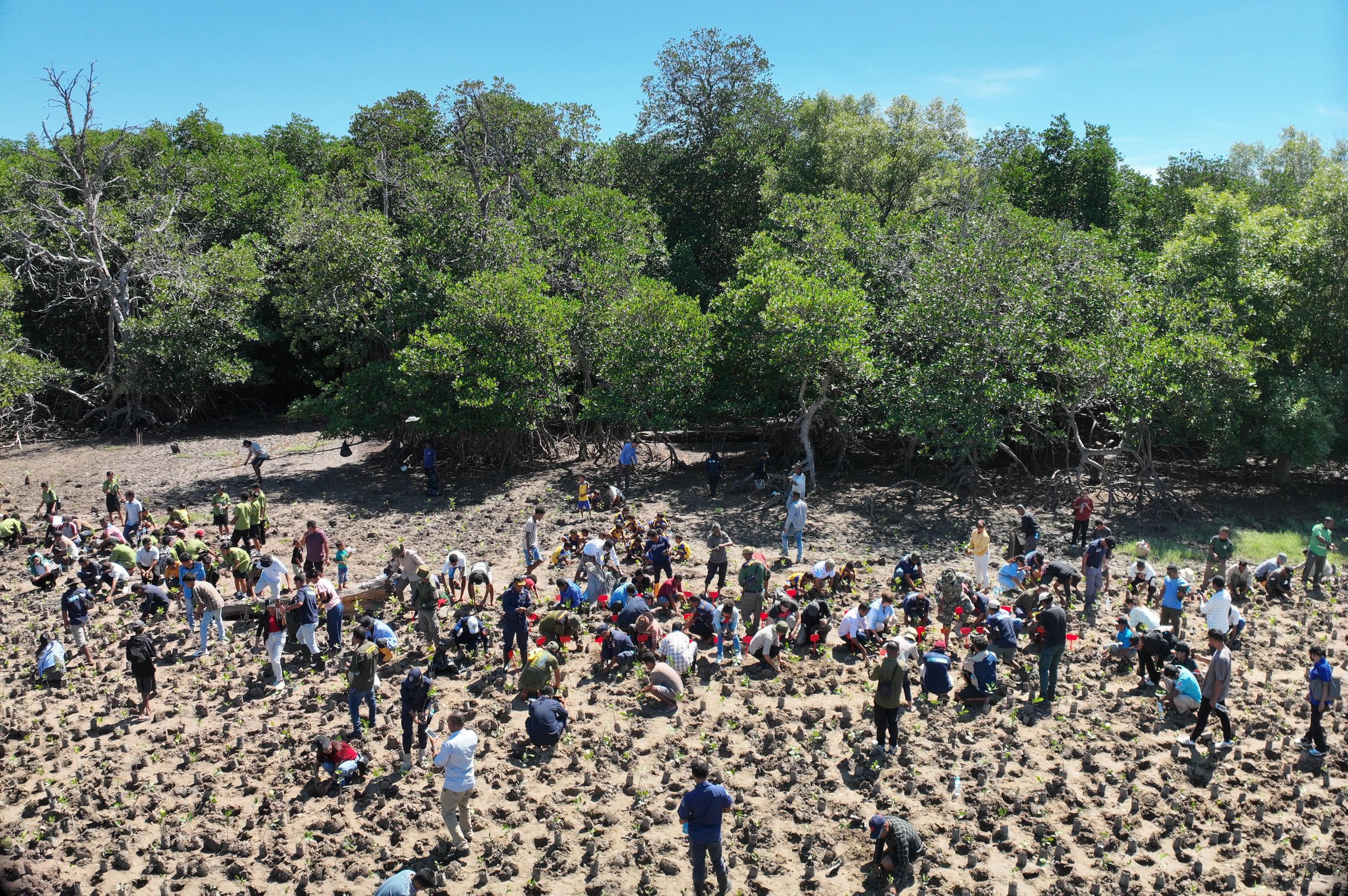
Importance of Mangroves for Coastal Communities.
The National Director for Watershed and Mangrove Management, Adelino Rojario, stated:
“Mangroves serve as the first line of protection for coastal communities against sea-level rise and erosion. In addition, mangroves provide habitat for marine species such as fish, crabs, and other marine life, while also creating livelihood opportunities for communities.”
He also urged beneficiary communities not only to plant mangroves but also to ensure ongoing maintenance and care so they can continue providing benefits for both communities and the nation.
Through this activity, local communities are directly involved in environmental restoration efforts and are learning about the importance of conserving coastal ecosystems for a sustainable future.
Community Proud of Restoration Activities
The leader of the Aidabaleten Restoration Group, Adelin o Pires expressed his feelings:
“As the chief of the mangrove restoration group in Aidabaleten, I feel very happy with today’s activity because of all the efforts we have made over time, including attending training sessions, preparing nurseries, building nursery shelters, conducting weekly monitoring, and cleaning nursery and planting areas. Finally, today we can join donors, the Ministry of Agriculture, students, communities, and partners to plant these nursery seedlings in the identified areas.”
“However, I ask the government, municipal authorities, CI-TL, and partners to continue paying attention to the sustainability of the mangrove seedlings that have been planted after the project ends,” he concluded.
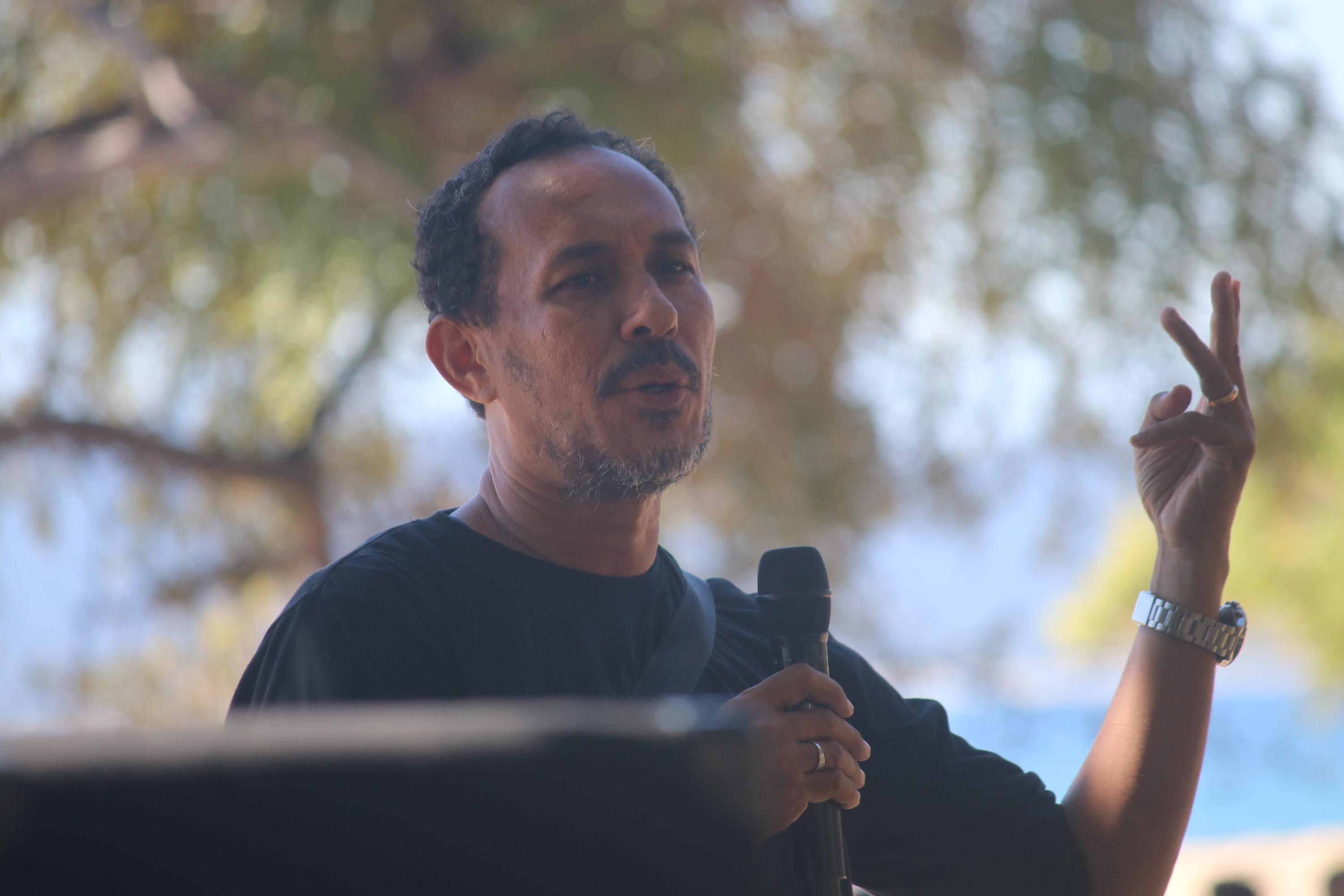
CI-TL Emphasizes Sustainability of Restoration
Meanwhile, CI-TL Country Director Manuel Mendes, in his remarks, stated that humans are only caretakers of forests.
“We are only managers. God created us to protect and manage nature well, including taking care of the mangrove seedlings that have been planted. We should not destroy forests and existing mangroves. Because mangroves have been damaged by human actions, we now have the responsibility to restore them again in the future.”
He also mentioned the importance of sustainability for the newly planted mangroves. CI-TL will continue efforts to coordinate with major Timorese companies to support the future adoption and maintenance of restored mangrove seedlings.
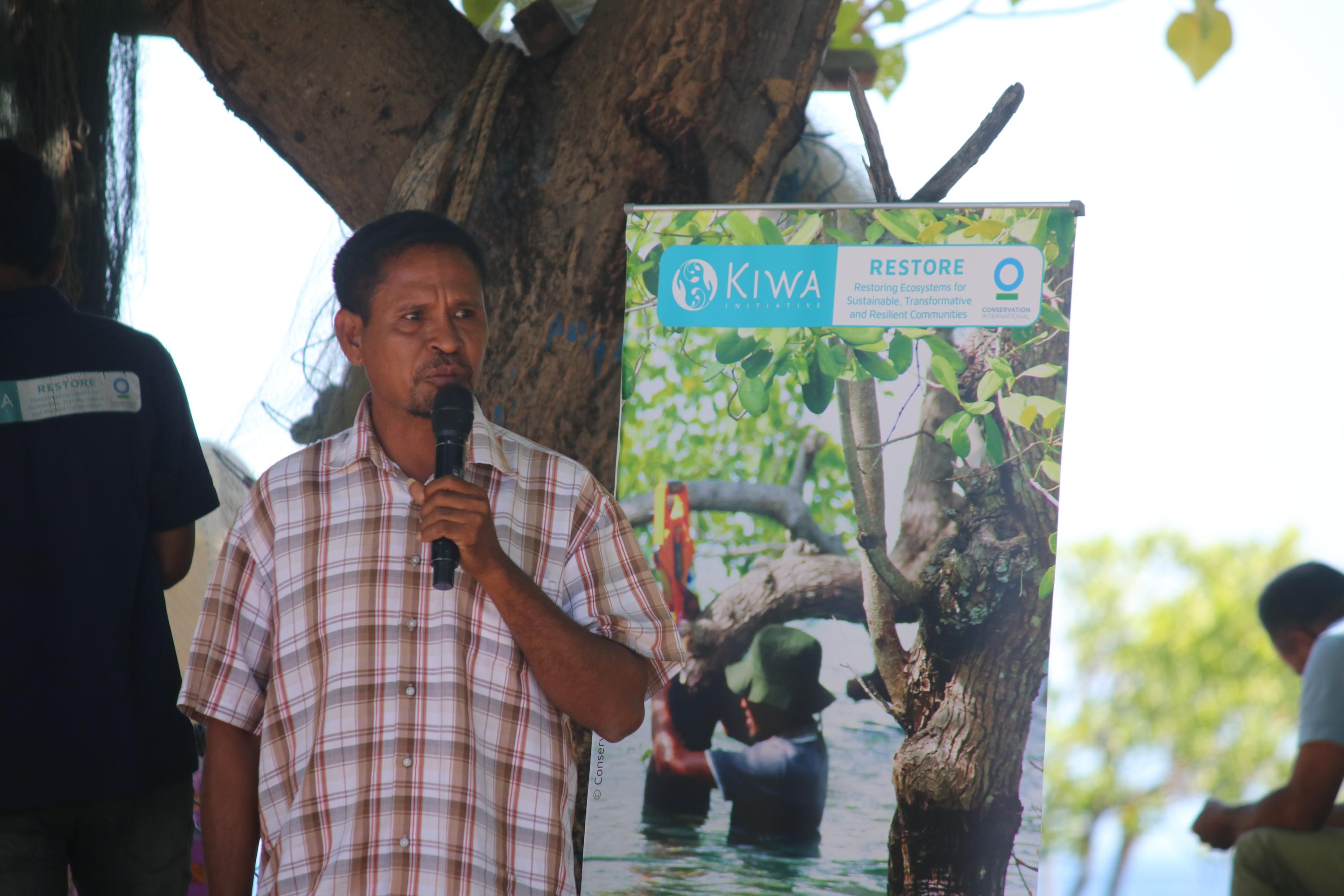
Atabae Administrative Post Administrator Expresses Appreciation
The Administrator of Atabae Administrative Post, Pedro Lakubuti, expressed appreciation to CI-TL and partners:
“As the Administrative Post Administrator, I would like to thank CI-TL and the Government for selecting Aidabaleten as a target area for this mangrove restoration initiative. I ask village chiefs to continue monitoring and protecting these mangroves because they are valuable assets for the community.”
He also recommended that CI-TL and environmental authorities continue improving environmental restoration efforts, particularly mangrove restoration, to further develop the beautiful Biacou area into a community tourism destination.
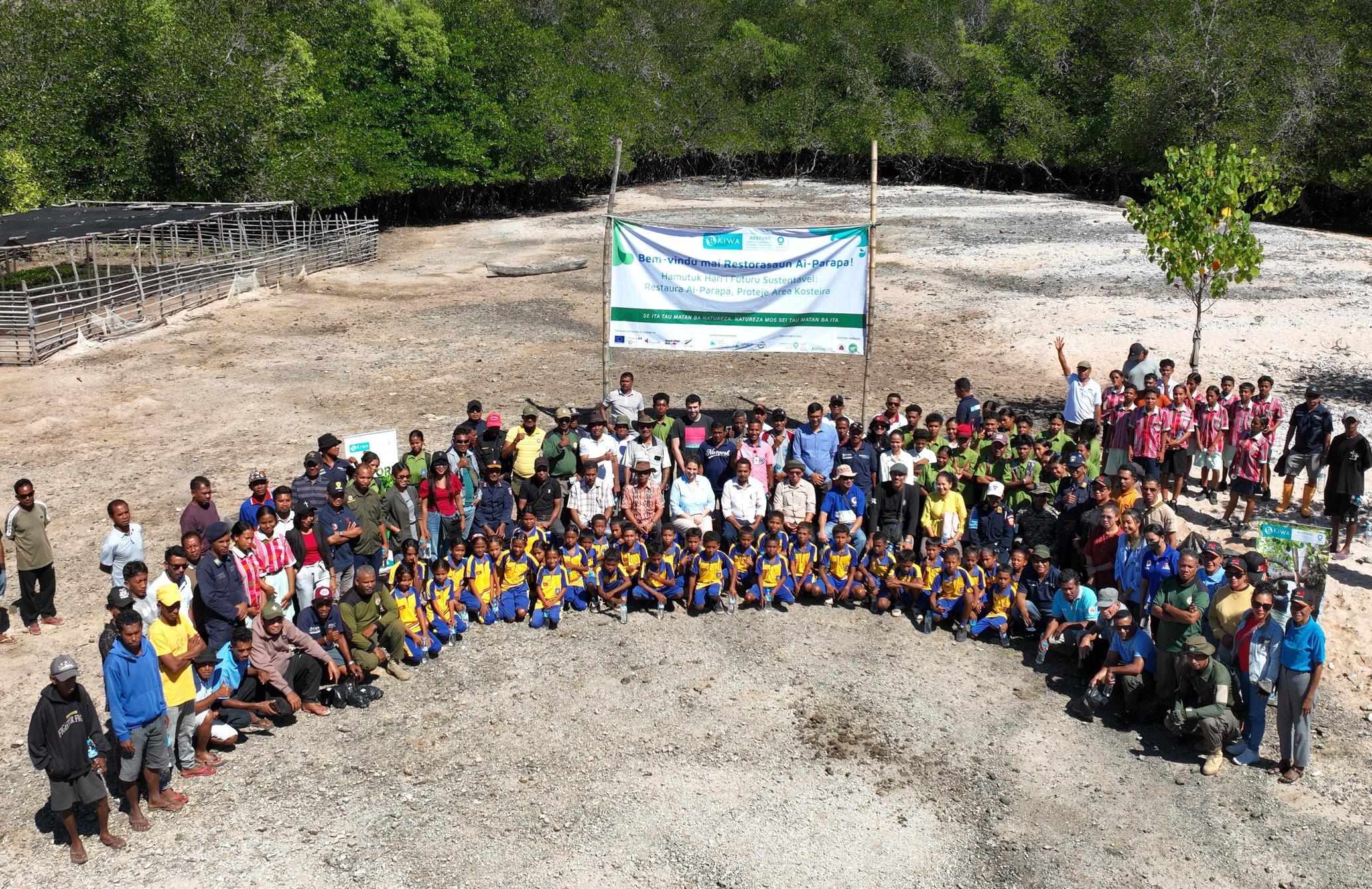
This activity was organized by CI-TL through the RESTORE Project funded by the Kiwa Initiative. The project is implemented in Fiji, Samoa, and Timor-Leste to strengthen the resilience of communities and coastal ecosystems through environmental restoration.
In Timor-Leste, the RESTORE Project is implemented by Conservation International Timor-Leste in partnership with the Ministry of Agriculture, Livestock, Fisheries and Forestry through the Directorate-General of Watershed and Mangrove Management, as well as local partners such as Alola Foundation and Konservasaun Flora no Fauna.
Together, we protect and restore coastal ecosystems for a more sustainable and resilient future for communities in Timor-Leste.